Provost and Dean of Faculty, Warren Wilson College
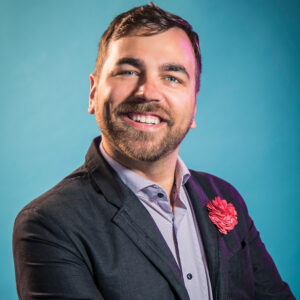
Brian Norman, Ph.D., is a first-generation college graduate who believes in the transformative power of higher education and the civic role of colleges and universities.
As an academic leader, Brian brings over two decades of experience at mission-driven institutions, with special experience in organizational change, faculty development, curricular reform, institutional equity, diversified revenue streams, and shared governance. Currently, Brian serves as Provost and Dean of Faculty at Warren Wilson College, one of nine federally-recognized work colleges and the only national liberal arts college that fully integrates on-campus work and off-campus community engagement into its curriculum, united by a shared commitment to environmental sustainability, diversity, and social justice. Prior to joining Warren Wilson, Brian served in senior roles at several other mission-driven institutions: Antioch College in Yellow Springs, OH, Simmons University in Boston, and Loyola University Maryland in Baltimore.
As a scholar, Brian studies and teaches American literature and he has published a number of books, articles, and essays on the relationship between literature and social change, including Dead Women Talking: Figures of Injustice in American Literature (Johns Hopkins 2013), Neo-Segregation Narratives: Jim Crow in Post-Civil Rights American Literature (Georgia 2010), and The American Protest Essay and National Belonging (SUNY 2007). He has held residential fellowships at University of Maryland-Baltimore County, Wesleyan University, and Rutgers University. He earned his Ph.D. and M.A. in literature from Rutgers University, after a transformative undergraduate experience at Pacific Lutheran University.
As a thought leader, Brian serves on the editorial boards of the James Baldwin Review and ACAD Leader. He has also published on moving the needle on faculty diversity (Department Chair 2022), faculty leadership development (Change: A Magazine of Higher Education 2019), and religious pluralism and intolerance on campus (Conversations 2017).

